The best wedding dress is the one that suits your body shape, your venue, your season and your budget, in that order. Start shopping 9 to 12 months before the wedding. Try on three or four different silhouettes (A-line, ball gown, sheath, mermaid) before you decide, because the shape you imagine and the shape that flatters you are often different. Affordable wedding dresses can look just as beautiful as designer gowns if you choose smart fabrics like crepe, satin and tulle. Plus size wedding dresses should be chosen by measurements, not by the size on the tag. Brands like Allure Bridal sell through boutiques, so you can try before you buy.
What Are Wedding Dresses?
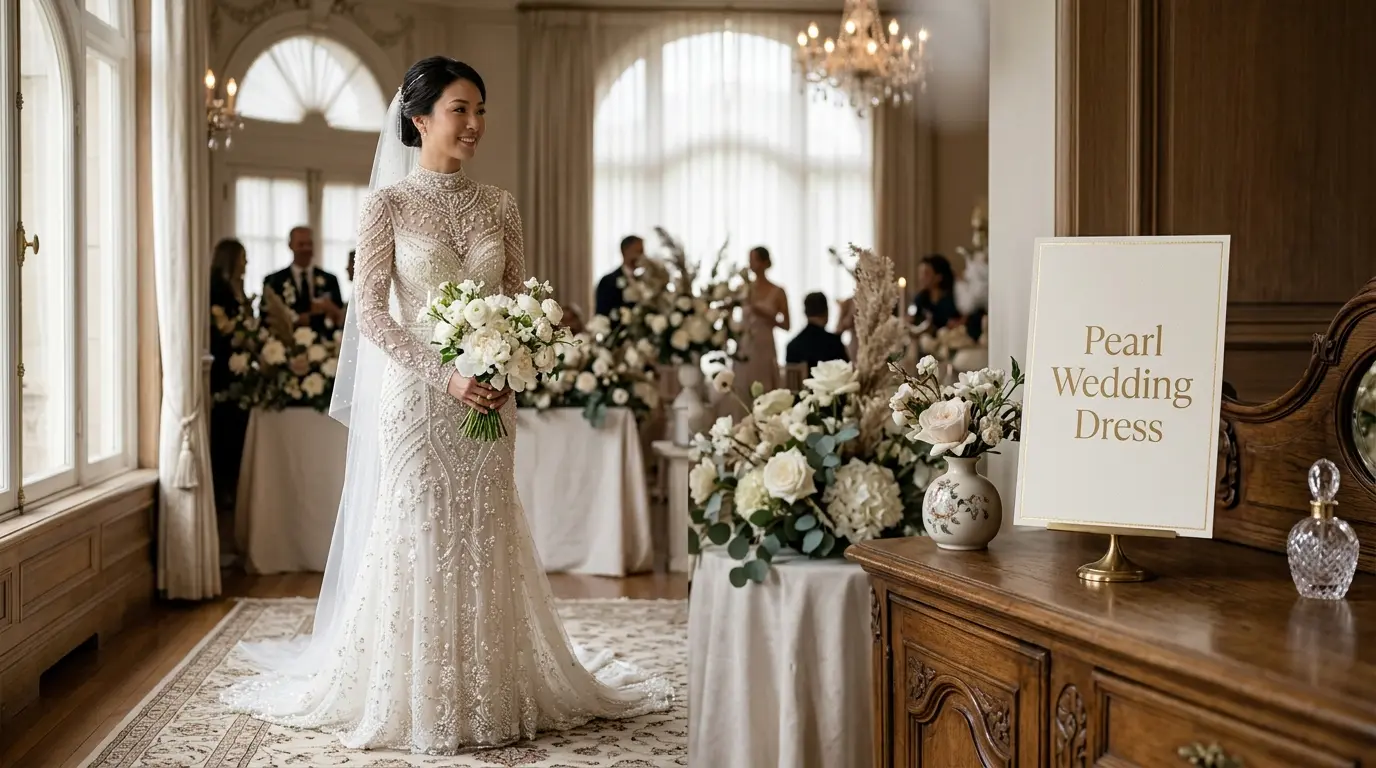
Wedding dresses, also called bridal gowns or wedding gowns, are the outfits a bride wears for her ceremony. In Western tradition they are usually white, ivory or champagne, but that is only one version of the story. Brides around the world wear red, gold, blush, emerald and even printed fabrics, depending on culture and personal taste.
What makes a wedding dress different from an ordinary formal gown is the construction. Most have built-in support such as boning or a corset, a longer train, and fabrics chosen to photograph well and hold their shape for many hours. That is why the fit matters so much, and why almost every gown needs some tailoring.
Wedding Dress Silhouettes at a Glance
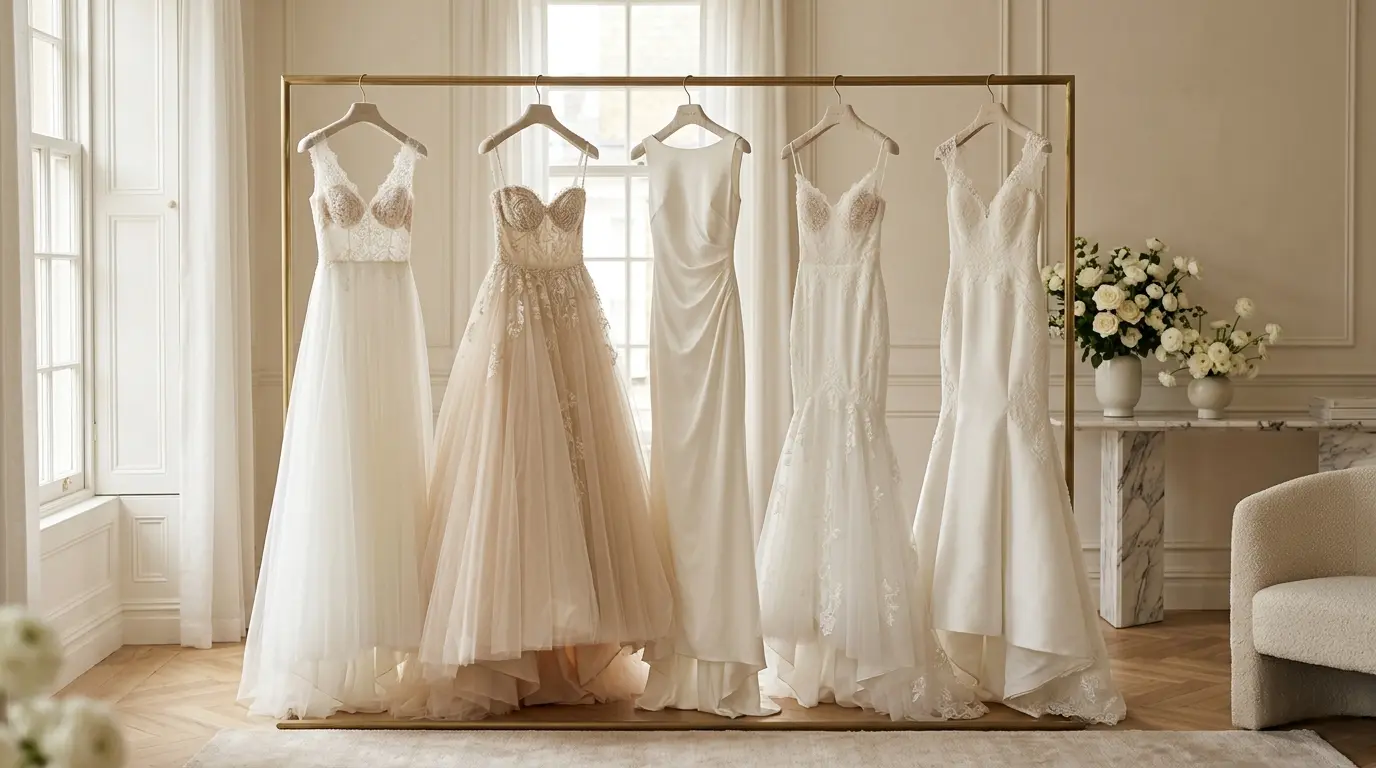
Before you look at prices or brands, learn the five main shapes. Most online and in-store searches come down to these.
| Silhouette | Best for | The look | Comfort and movement | Typical budget |
|---|---|---|---|---|
| A-line | Almost every body type | Fitted at the top, flows out from the waist like the letter A | Easy to walk and dance in | Low to high |
| Ball gown | Formal, church or hall weddings | Fitted bodice with a very full skirt | Heavier, needs space | Medium to high |
| Sheath | Beach, garden and modern weddings | Slim and straight, follows your natural lines | Light and breezy | Low to medium |
| Mermaid | Brides who want to show curves | Fitted through hips, flares near the knee | Less room to move | Medium to high |
| Fit and flare | Brides who want shape with some freedom | Fitted to mid-thigh, then flares | Good balance | Medium |
If you are unsure, A-line is the safest first try-on. It flatters most people and it is easy to wear all day.
Affordable Wedding Dresses: Beautiful on a Real Budget
Affordable wedding dresses are gowns that deliver the look of a bridal boutique without the designer price. "Affordable" does not mean low quality. It usually means simpler construction, fewer hand-sewn details, or fabrics that cost less to produce.
Where the Savings Usually Come From
- Fabric choice. Crepe, satin and chiffon are generally easier on the budget than heavily beaded or hand-embroidered lace.
- Less embellishment. A clean gown with a good fit looks more expensive than a cheap dress covered in sparkle.
- Standard sizing. Made-to-order custom work costs more than ready-made sizes.
- Quick delivery styles. Some brands offer gowns that ship faster, which can also reduce rush fees on a short timeline.
For a real example, Allure Bridals has an affordable collection of around 72 styles. Most of it comes from two of their lines, Allure Romance and Wilderly Bride, and it includes sleek crepe sheaths, satin A-lines and tulle ball gowns. It is a useful reference for what a budget collection can include.
A Tip That Saves Money
Spend on the fit, not the label. A reasonably priced gown that has been properly tailored will always look better than an expensive one that sags at the bust or drags on the floor.
Plus Size Wedding Dresses: What to Look For
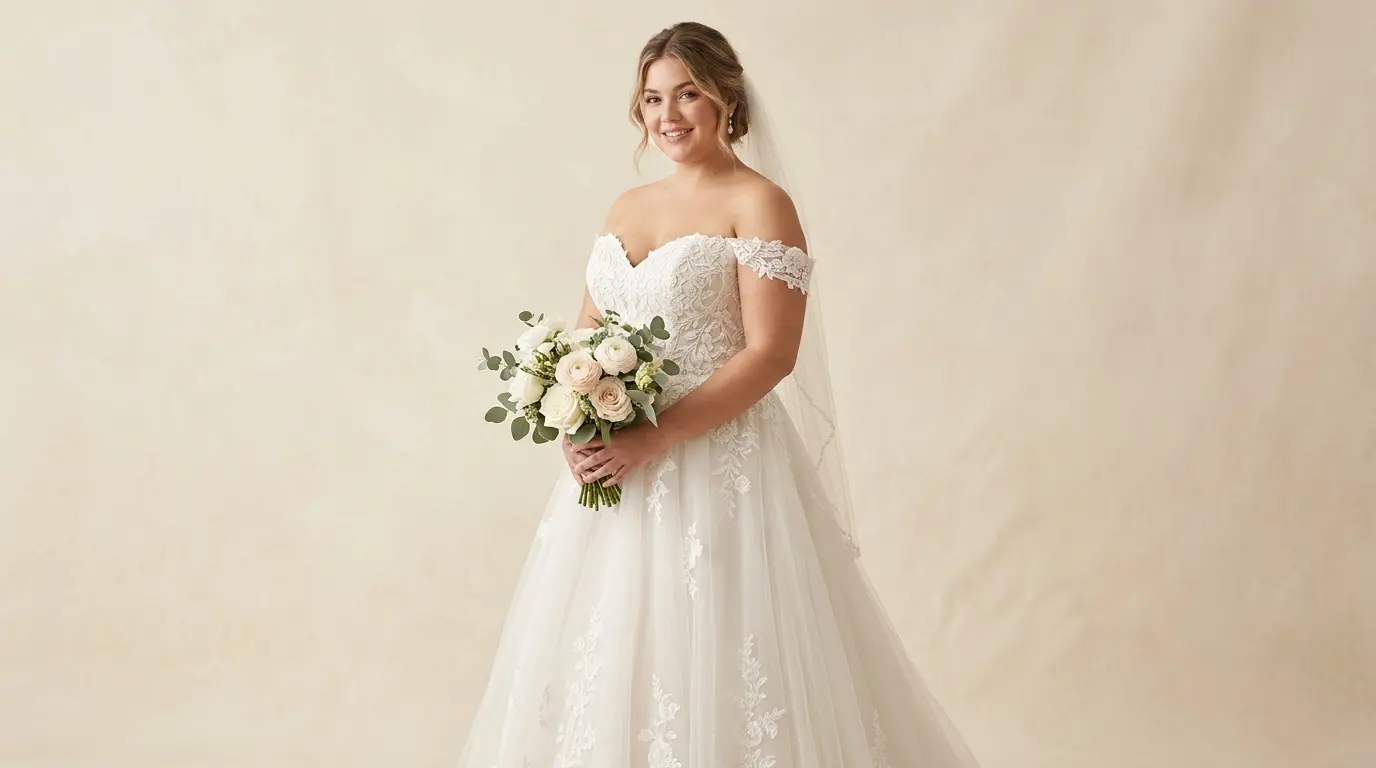
Plus size wedding dresses are bridal gowns designed for fuller figures, with construction that supports and shapes the body while staying comfortable. The best ones do not hide the bride. They highlight what she loves about herself.
Features Worth Looking For
- A supportive bodice. Built-in cups, boning or a structured corset layer keep everything secure so you are not adjusting all night.
- Defined waist. A natural or slightly raised waistline helps create shape, and it works especially well in A-line and ball gown styles.
- Neckline that suits you. Sweetheart and V-necks are popular for good reason. In Allure Bridals' plus size collection of about 100 gowns, sweetheart is by far the most common neckline.
- Sleeves and straps. Off-the-shoulder sleeves, illusion lace and wide straps add comfort and a softer look.
- Stretch or soft fabrics. Stretch crepe and satin move well, which matters if you plan to dance.
Sizing Advice
Bridal sizes often run smaller than everyday clothes, so order by your measurements (bust, waist, hips) and ignore the number on the tag. It is normal and very common to order a larger size and have it altered down. It is much harder to let a dress out than take it in.
Allure Bridal: Who They Are and What They Offer
Allure Bridal, usually written as Allure Bridals, is a well-known US bridal house. It sells its gowns through authorized boutiques rather than directly to shoppers, and its website has a "Find a Retailer" tool so you can try dresses on in person.
The company runs several sub-brands, each with its own personality.
| Collection | Style personality | Good for |
|---|---|---|
| Allure Bridals | Classic, romantic, polished | Traditional weddings |
| Allure Couture | Luxurious, detailed, high end | Brides who want a statement gown |
| Allure Romance | Soft, simple, wearable | Budget-conscious brides |
| Madison James | Fashion-forward and playful | Modern, relaxed celebrations |
| Wilderly Bride | Boho, airy, natural | Outdoor and destination weddings |
| Allure Modest | More coverage, sleeves, higher necklines | Brides who prefer modest styling |
| Disney Fairy Tale Weddings | Storybook, romantic | Fans of fairy-tale looks |
Because Allure gowns are sold at boutiques, the price you pay depends on the shop. Ask the boutique for the exact style number and compare before you commit.
June Bridals: Dressing for a June Wedding
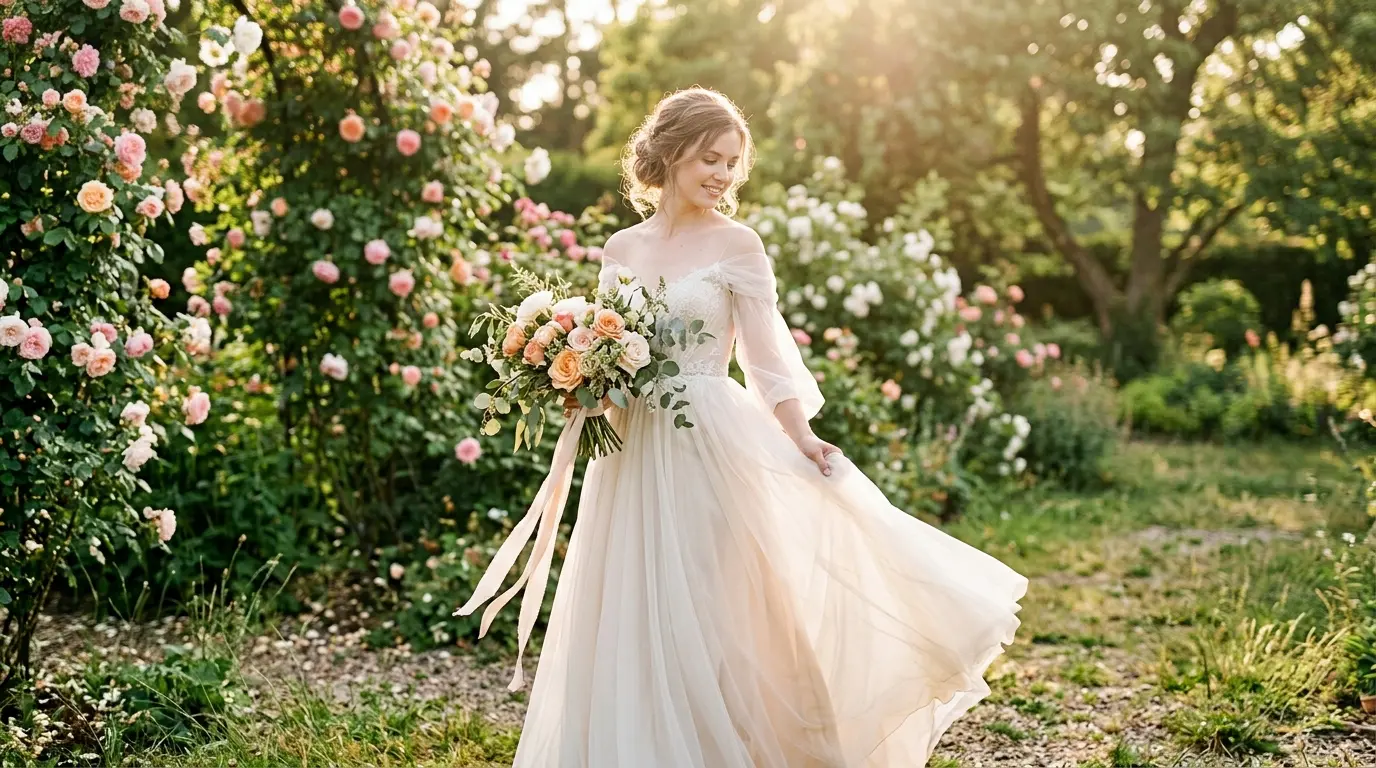
June is one of the most popular wedding months in many parts of the world, so "June bridals" often points to dresses for a warm-season wedding. The weather should shape your choice as much as the style does.
- Pick breathable fabrics. Chiffon, light crepe and soft tulle feel much cooler than thick satin or heavy brocade.
- Think about sleeves. Sheer sleeves or off-the-shoulder lace look lovely without trapping heat.
- Consider a detachable skirt. You get a full ceremony look, then switch to something easier for the reception.
- Plan for photos in sunlight. Bright light shows every detail, so ivory and champagne often look softer than pure white.
If you are shopping with an online-only bridal store, check the return policy, read independent reviews, and measure yourself carefully before ordering. Photos online can look very different from the dress that arrives.
Top 10 Countries Famous for Wedding Dresses
Different countries have developed their own bridal identity, shaped by craft, culture and fashion history.
| # | Country | Famous for | Well-known names or traditions |
|---|---|---|---|
| 1 | France | Couture and fine lace | Paris bridal ateliers, Chantilly and Calais lace |
| 2 | Italy | Craftsmanship and elegant tailoring | Milan bridal houses, silk and lace work |
| 3 | Spain | Modern, clean, wearable bridal fashion | Pronovias, Rosa Clará, Barcelona Bridal Fashion Week |
| 4 | United States | Variety, size range and boutique culture | Vera Wang, Allure Bridals, Monique Lhuillier |
| 5 | United Kingdom | Classic royal elegance | Jenny Packham, Suzanne Neville, the Alexander McQueen gown worn by Catherine in 2011 |
| 6 | Lebanon | Glamorous, heavily embellished couture | Zuhair Murad, Elie Saab |
| 7 | Israel | Bold, sculpted, dramatic gowns | Berta, Pnina Tornai |
| 8 | India | Rich color, embroidery and heritage | Sabyasachi, the red bridal lehenga |
| 9 | Pakistan | Heavy handwork and festive bridal wear | Bridal lehengas, gharara and sharara sets, designers such as Faraz Manan and Maria B |
| 10 | Japan | Precision tailoring and two traditions | Yumi Katsura, the shiromuku kimono |
This list reflects fashion influence and bridal identity, not a strict ranking. Every country on it has produced designs that brides in other places now copy and adapt.
How to Choose a Wedding Dress
Choosing a gown feels huge, so break it into steps.
Step 1: Set Your Budget First
Include alterations, a veil, undergarments and shoes. Alterations alone can add a meaningful amount to the final cost.
Step 2: Decide the Setting
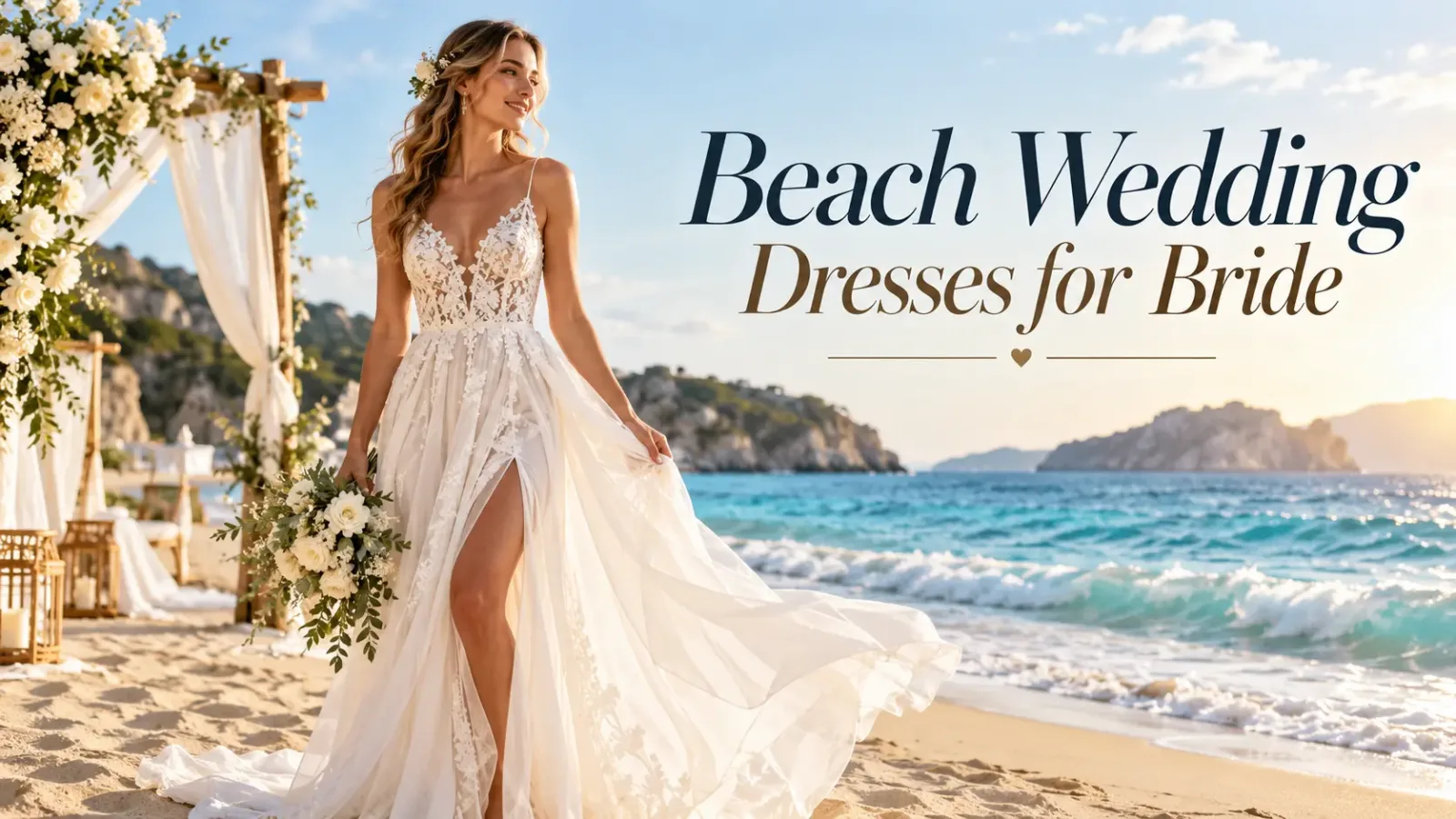
A church, a beach and a garden each call for a different shape and fabric. A heavy ball gown on sand is hard work.
Step 3: Know Your Body, Then Ignore the Rules
Guides say A-line suits most shapes, and that is true. But try on whatever you are curious about, because comfort and confidence matter more than any chart.
Step 4: Choose Fabric for the Season
Go for light fabrics in summer, and richer ones like satin or velvet-touch crepe for cooler months.
Step 5: Start Early
Most boutiques suggest beginning 9 to 12 months before the wedding, since ordering and fittings take time. If your date is closer, ask about quick delivery or sample sales.
Step 6: Bring Only a Few People
Two or three trusted opinions are plenty. Too many voices can make a simple decision painful.
Step 7: Check the Details
Look at the zipper, seams, lining and how the bodice holds you. Sit, lift your arms and walk before you say yes.
Step 8: Plan the Fittings
Book your final fitting a few weeks before the wedding, and bring the shoes and undergarments you will wear on the day.
Frequently Asked Questions
How much should I spend on a wedding dress?
It depends on your overall budget, but many brides set aside a modest share of the total wedding budget for the dress. Remember to add alterations and accessories on top of the sticker price.
Can an affordable wedding dress look expensive?
Yes. Simple designs in good fabric, with a precise fit, look polished. Avoid thin materials and cheap sequins, which tend to give away the price.
What is the most flattering wedding dress for a plus size bride?
There is no single answer, but A-line and ball gown shapes with a defined waist and a supportive bodice are popular and comfortable choices. Always try a few styles.
What fabric is best for a June wedding?
Chiffon, light crepe, organza and soft tulle breathe better than heavy satin or thick lace.
Can I try on Allure Bridal dresses online?
Allure gowns are sold through retail boutiques, so the usual route is to use their retailer finder and book a fitting in person.
Final Thoughts
A wedding dress should make you feel like yourself on the best day, only a little more radiant. Whether you are drawn to affordable wedding dresses, a plus size gown with structured support, a breezy June style, or a designer piece from a house like Allure Bridal, the steps are the same. Set a budget, choose a shape that suits your venue, start early, and trust the dress that makes you stop talking when you see it in the mirror.
Alliance Editorial Team
Our in-house team of wedding writers and editors.